Home / Catalogue / Clear parts, windows & covers
Injection moulded clear parts, windows and transparent covers
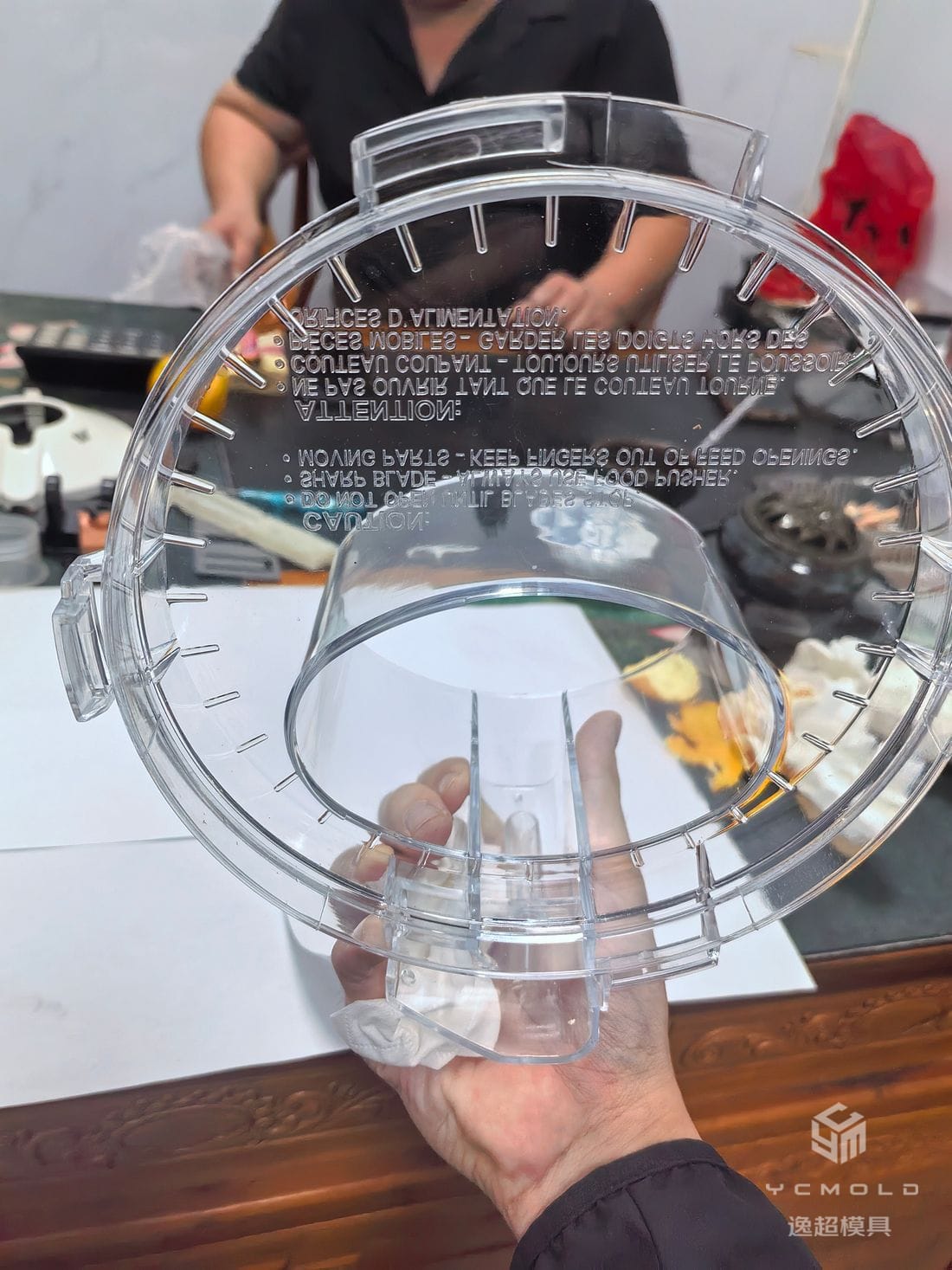
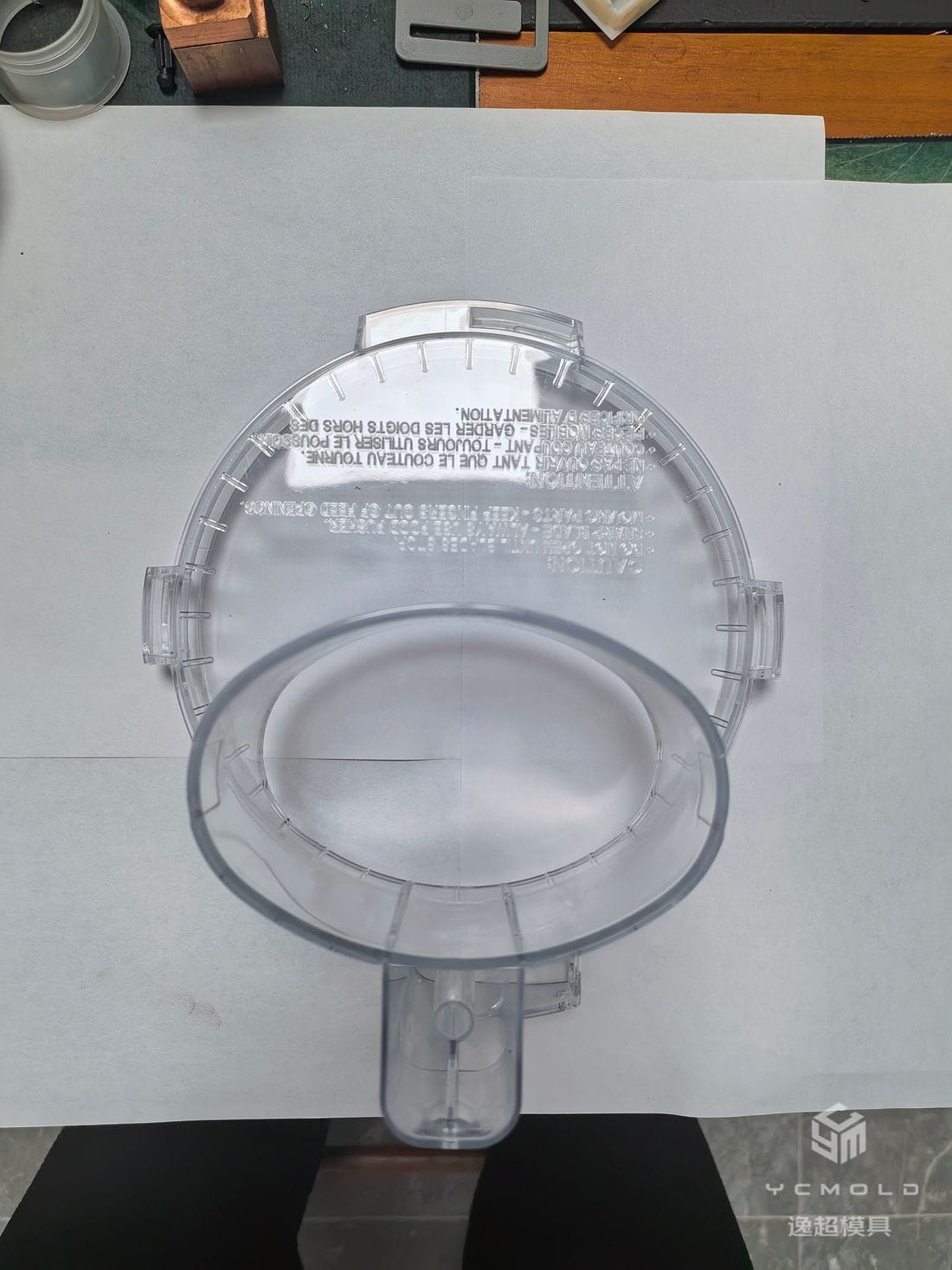
PC and PMMA sight windows, covers, cups, boxes and instrument lenses. No flow marks, white spots or parting lines on the viewing face — which means a polished cavity and resin dried properly.
There is one acceptance criterion on a clear part: can you see through it. Cloudiness comes from three causes — resin that was not dried, so moisture flashes in the barrel and leaves silver streaks and a haze; a mould run too cold, so flow marks and weld lines show; and a gate placed opposite the viewing face, which puts a white spot dead centre that no amount of adjustment removes. All three are settled before the tool is cut, and barely at all afterwards.
One more thing, plainly: what we make is a window you can see through, not an optical lens. Work that needs surface form accuracy, refractive index control or birefringence measurement is outside our equipment, and we do not take it. Instrument panels, machine inspection windows, clear covers, cups and boxes are a different matter — we run a fair number of those, and the photos below are real parts.
PC yellows with time and UV. That is the material, not a process fault, and it is worth knowing before the drawing is fixed. What can be slowed is the rate: a grade with UV stabiliser, disciplined drying, and no long residence at high melt temperature. Parts that sit in sun for years are better in PMMA or with a UV-hardened coating. PMMA transmits more light and weathers better, but it is brittle and dislikes alcohol-based cleaners — both facts belong on the table at material selection, not in a complaint two years later.
Flow marks, weld lines and parting lines cannot be eliminated; they can be placed where nobody looks. The parting line sits on the split plane, and the split plane is a choice. Ejector marks and gate scars can be moved to a face that ends up inside the assembly. A weld line follows the gate, so moving the gate to the edge moves the weld line to the edge with it. All of this is settled in one design review — changing it after try-out means changing the tool, not the settings.
A clear tool costs more than a plain one for concrete reasons: the cavity gets polished to SPI A2 or better, which is hours of work; no etch is possible, since etching kills the transparency; and ejectors and gates have to stay off the viewing face, which makes the structure more involved. There is also an assembly trap — PC is sensitive to residual stress, so an over-torqued screw or a wipe with alcohol or acetone produces fine crazing a few days later. That is not a bad part, it is how it was assembled and cleaned, and we flag it to your line before it happens.
2 business days · 25–45 days · SPI A2 or better · FOB Qingdao · T/T
Clear parts, windows & covers — photos from our floor
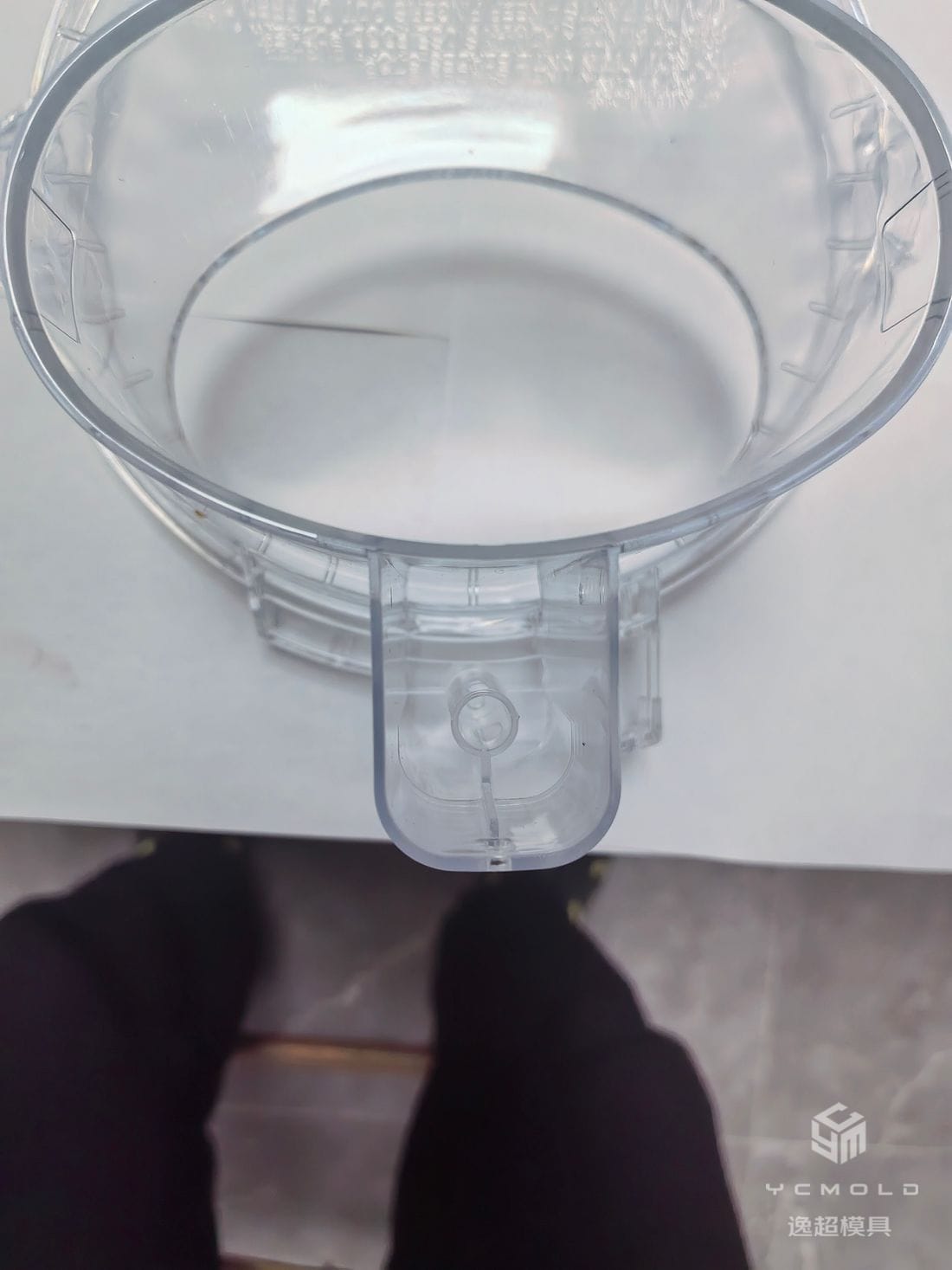
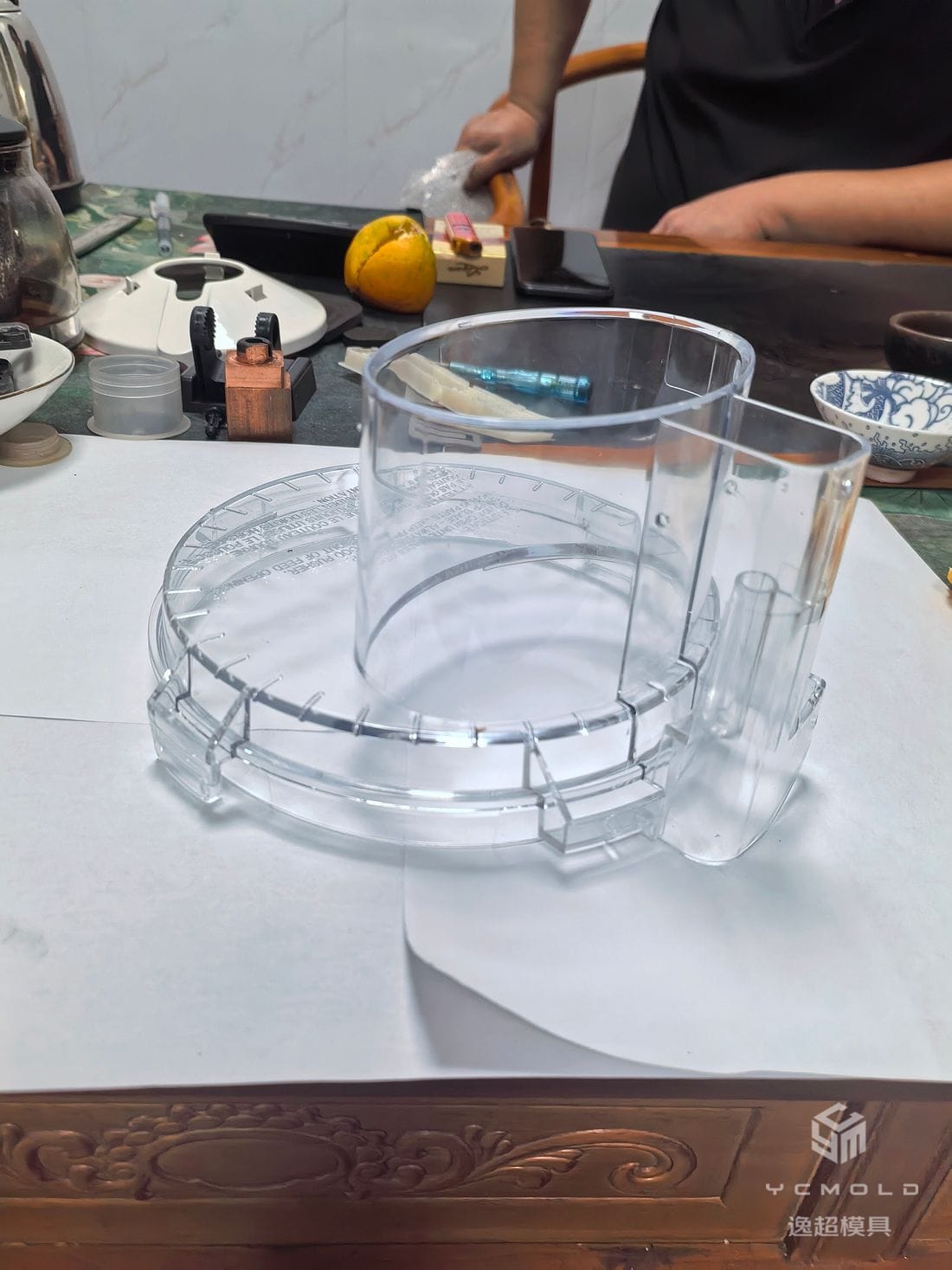
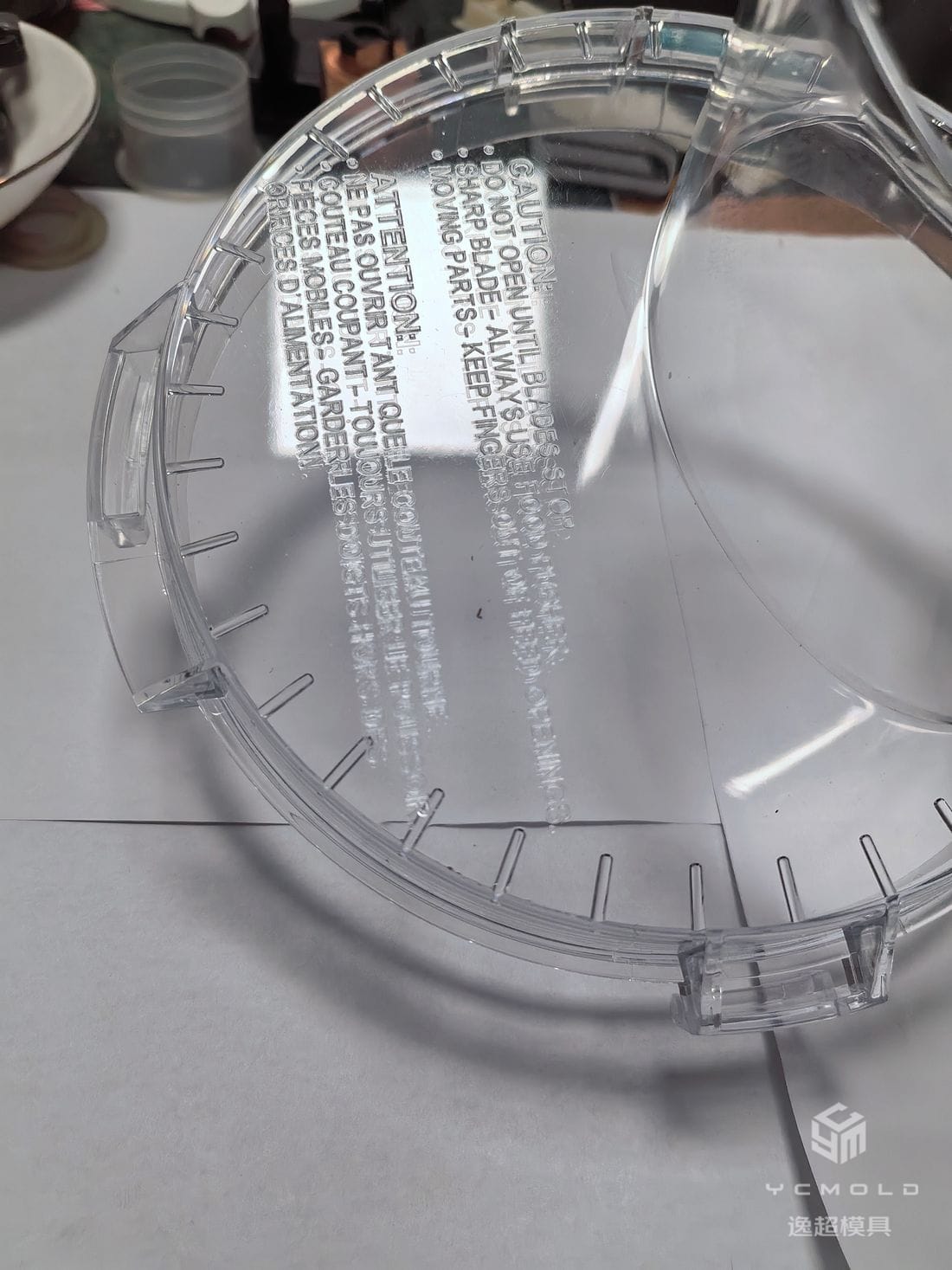
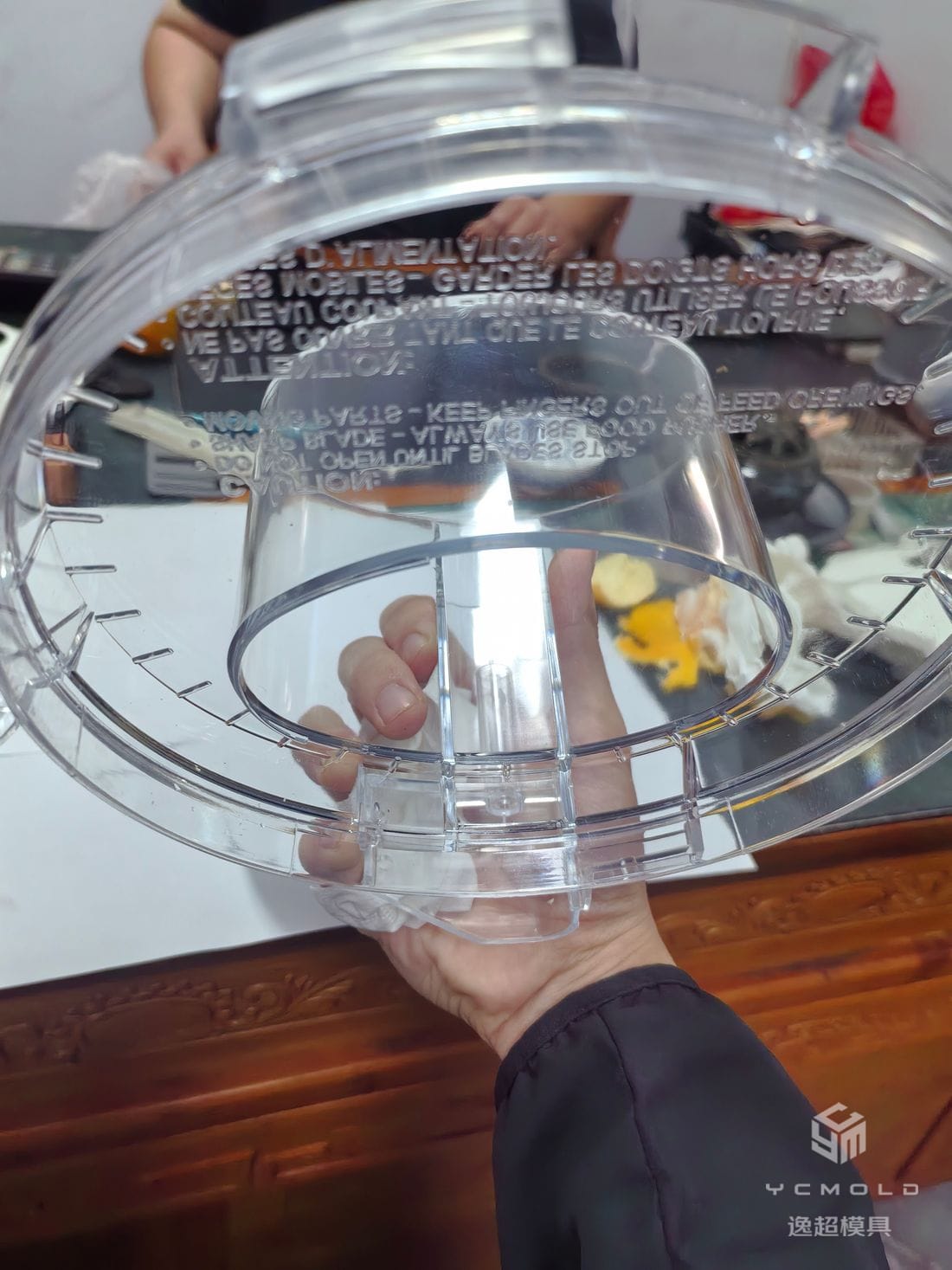
Part types we actually run
Sight windows and inspection covers
Where a machine is watched from outside — polish grade and flatness on the viewing face are the criteria
Clear covers and lids
Large curved surfaces where gate position decides where flow marks land, and ejectors hide at the rim
Instrument and display windows
Thin sections where flatness decides whether the readout distorts, and the rim has to snap into the panel
Clear cups, boxes and containers
Deep draws — skimp on the base radius or the draft and the part stress-whitens or sticks
Lampshades and light-transmitting parts
Clear and diffusing are two different jobs — diffusion comes from a scattering additive or a textured face
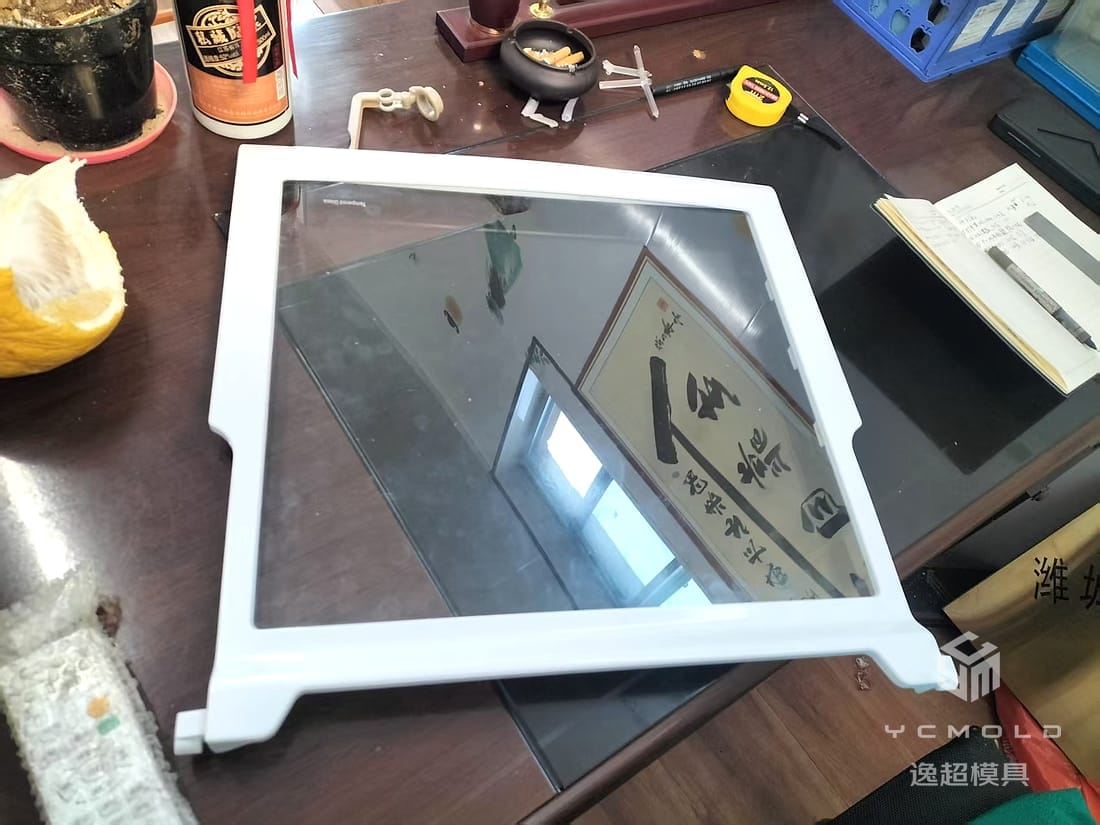
Clear panels and sign frames
A clear panel set into a moulded frame, where the frame tolerance and the panel thickness are fixed together
Two-shot and overmoulded clear parts
A clear body with a soft sealing edge in one tool and two shots — no assembly step, no gasket
Which material, and why
PC — The toughest option and around 88–90% transmission — first choice for windows and covers, though it dislikes solvents and residual stress
PMMA(亚克力) — About 92% transmission and the best weathering for long outdoor life; brittle, and it does not like alcohol or alkaline cleaners
PS(聚苯乙烯) — Cheap with good clarity for short-life display parts and packaging; brittle and scratches easily
PETG — Tough with a forgiving process window for containers and thick sections; softer surface than PC
透明 ABS / MABS — Translucent cosmetic parts with more colour and finish options, at lower cost than PC
PC + 硬化涂层 — Scratch resistance for exposed windows — the coating is subcontracted rather than done here, so lead time and piece price include it
Lucas — Lucas@ycmold.top · WhatsApp +86 183 6966 7875 · No.363 Shengli West Street, Weicheng District, Weifang, Shandong, China