Home / Catalogue / Appliance housings & panels
Appliance housings, panels and structural parts
Rear covers, top panels, control-box lids, terminal covers, inner tubs, drip trays and clear windows. On these parts the difficulty is the visible surface — texture, colour and weld lines — not whether the part can be moulded at all.
Appliance parts are judged differently from structural parts. A structural part passes if it assembles; an appliance part passes if it looks right. And looks map onto specific tooling decisions: texture comes from the etch on the tool steel, colour consistency comes from masterbatch and melt temperature, and where a weld line lands is decided by gate position. So on appliance work the gate location, the etch depth and where the ejector pins hide all have to be fixed at design stage — changing them after try-out is expensive.
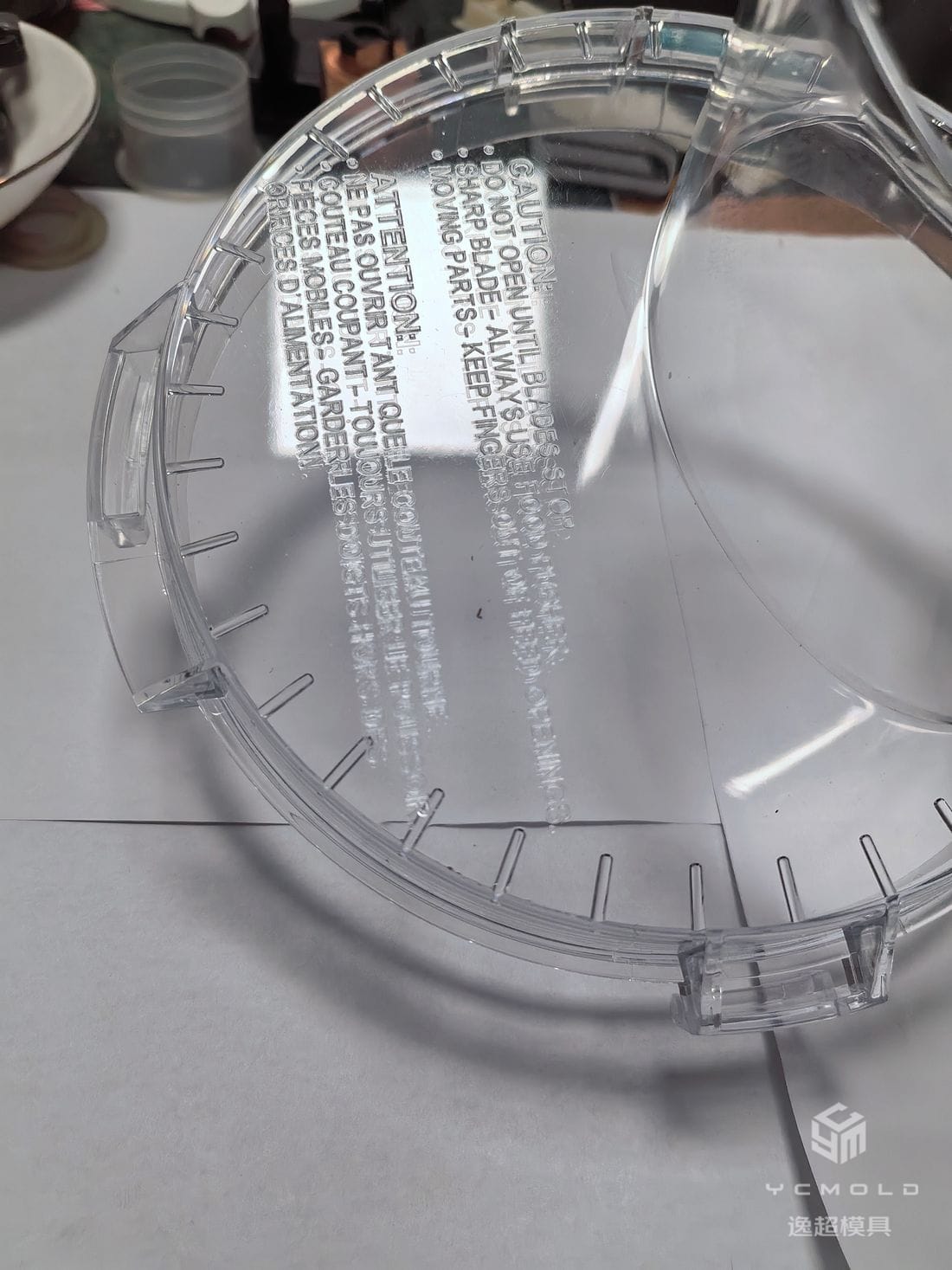
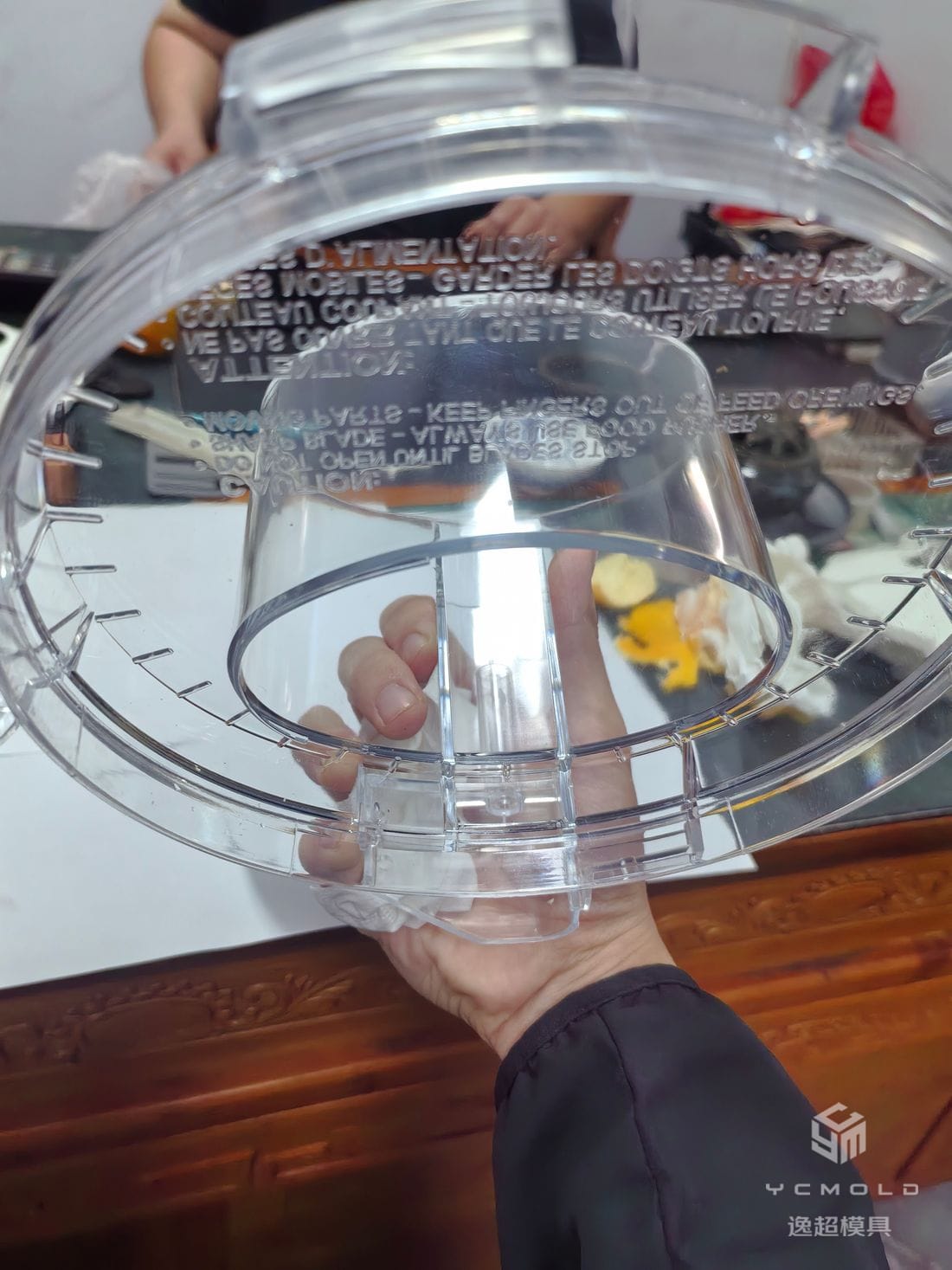
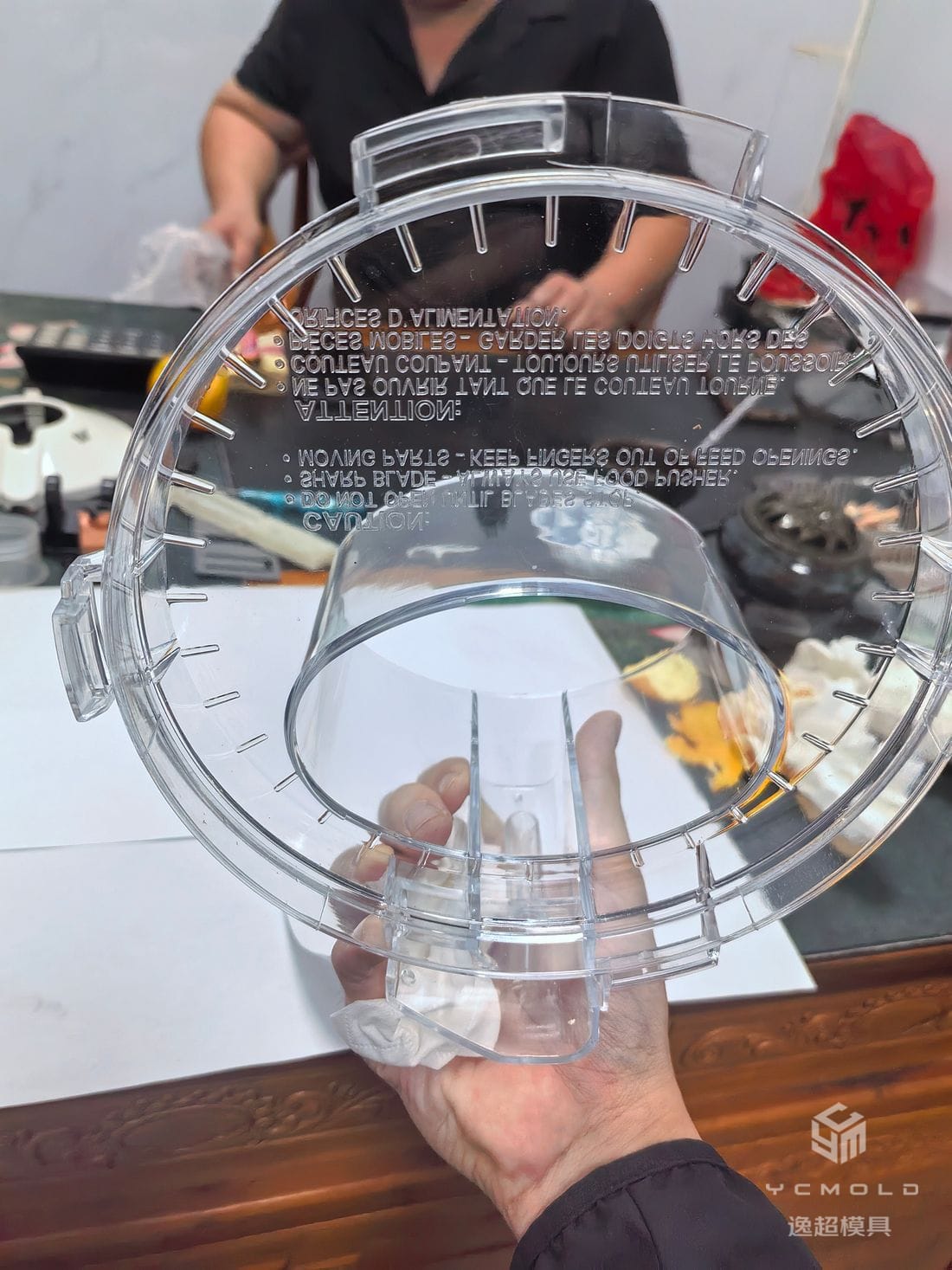
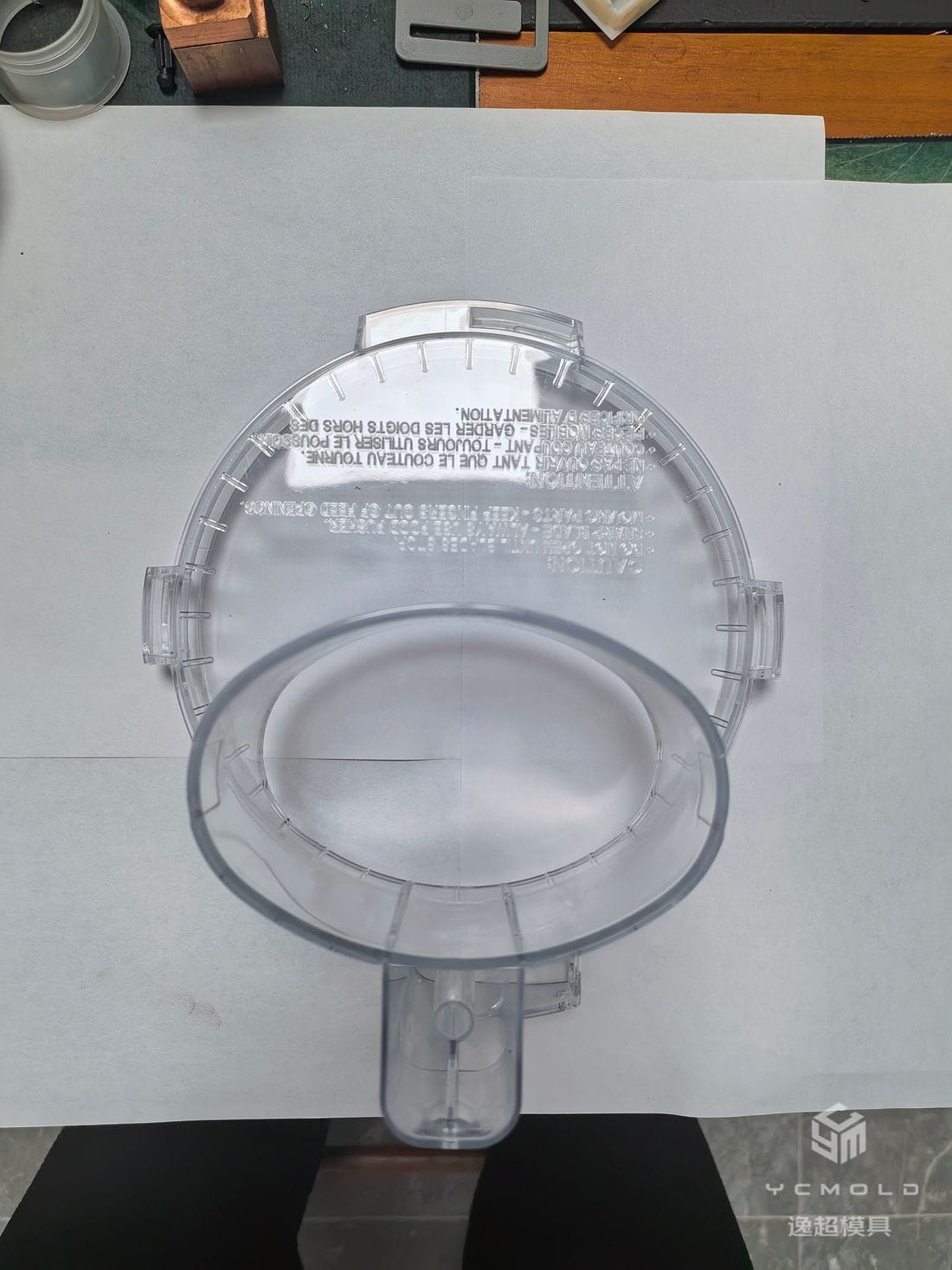
Clear parts — PC windows and transparent covers — have a page of their own. Here it is enough to say that the hard problems are yellowing and stress marks: the resin has to be dried, the mould run hot, packing held steady, and the gate kept off the viewing face, or there is a white spot in the middle that no amount of adjustment removes.
Texture is etched into the tool steel, matched to your plaque or a stated standard such as VDI 3400, and the etch depth has to be matched to draft — deeper texture needs more draft or the part scuffs on the way out. Colour is one masterbatch lot per run with controlled melt temperature and back pressure; small shifts between lots are inherent to masterbatch. Compare against a plaque under a defined light source rather than by eye under whatever light the room happens to have. The first sample goes to you for both texture and colour approval, and only then does series production start.
Clear PC will yellow — that is the material, not a process fault, and it is worth knowing before the drawing is fixed. What can be slowed is the rate: a grade with UV stabiliser, disciplined drying because residual moisture is the main cause of haze and yellowing after moulding, and no long residence time at high melt temperature. If the part sits in sun for years, PMMA or a UV-hardened coating is the better route. Tell us the service life and the environment at the start and we specify for it instead of defaulting to the cheapest grade.
On input files: 3D is where the toolpaths come from, so STEP, IGES or X_T please — STL works but the surface is coarser. A 2D drawing cannot stand alone, yet it carries what the 3D does not: tolerances, cosmetic requirements, material and surface finish. Both together is ideal. On volume, there is no fixed minimum here; what deserves attention is piece price, because tooling is a fixed cost and a pilot run spreads it over fewer parts. We normally quote a pilot price and a production price together so you can pick against your launch plan.
2 business days · 25–45 days · Etch matched to your sample · FOB Qingdao · T/T
Appliance housings & panels — photos from our floor
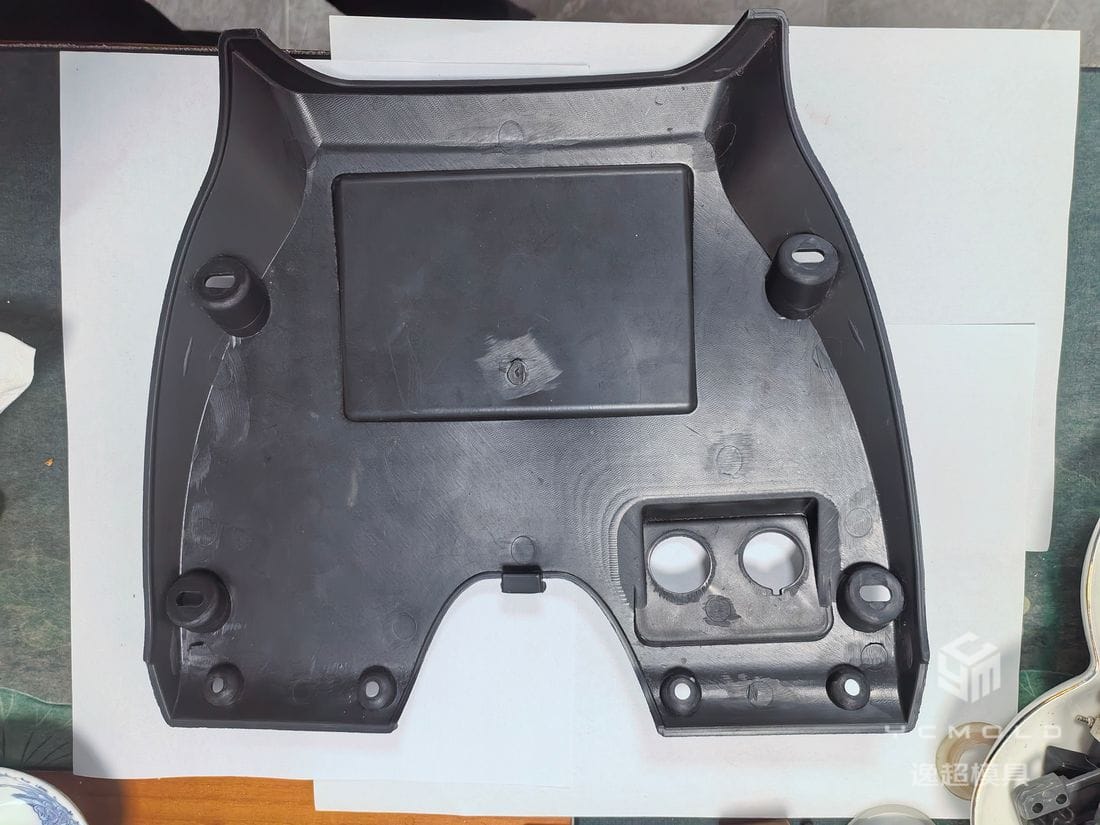
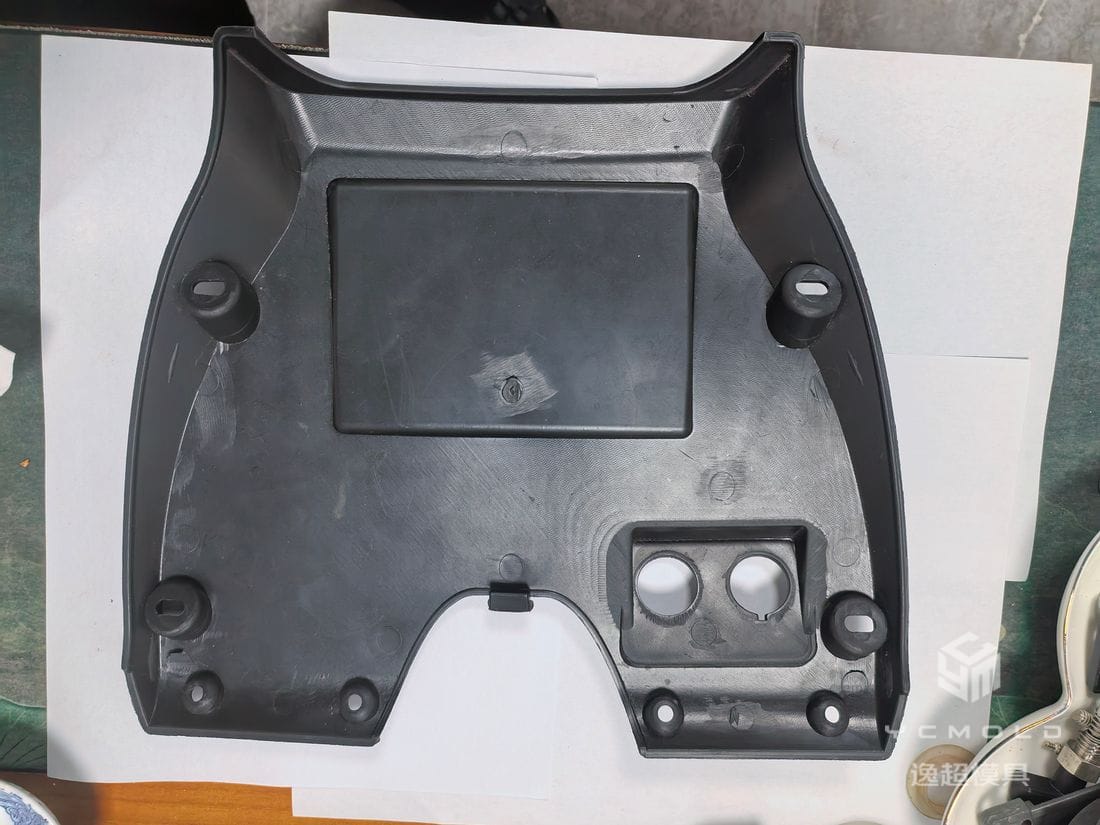
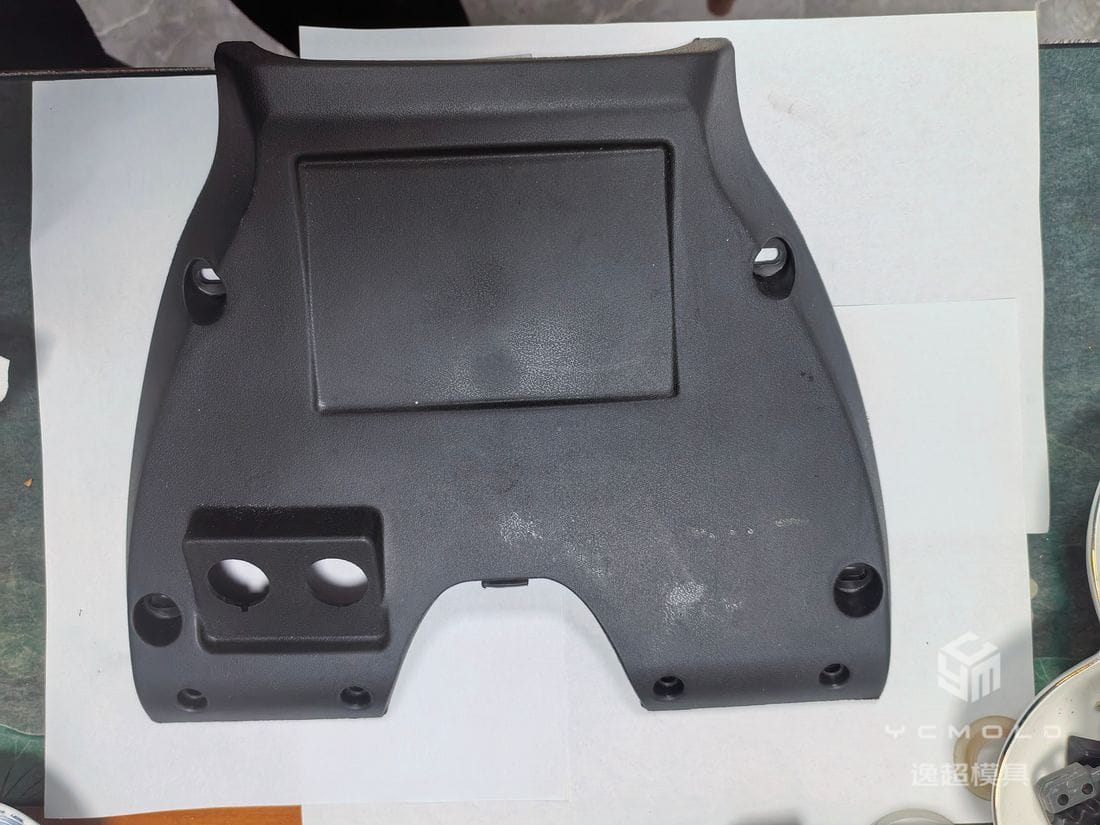
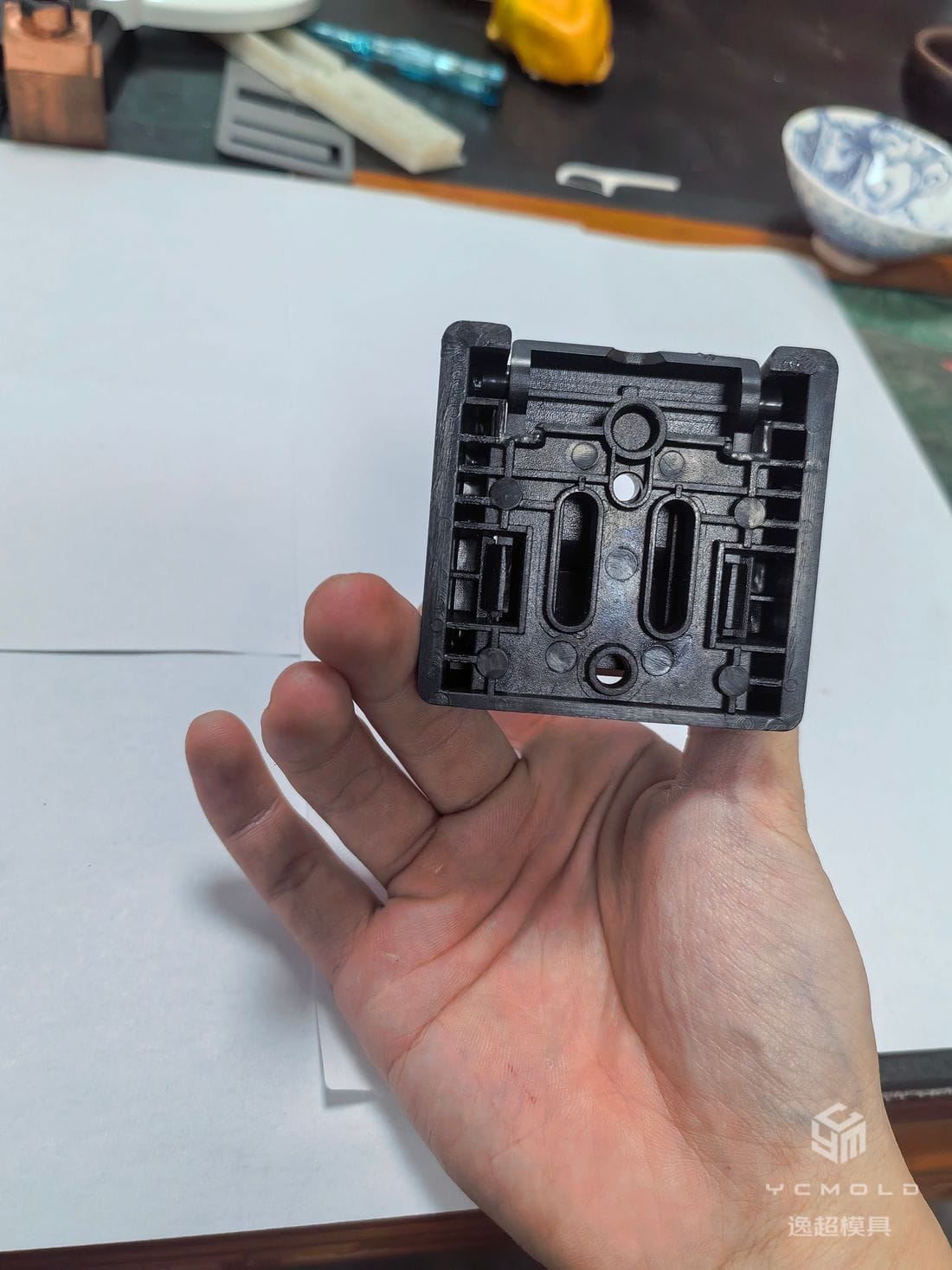
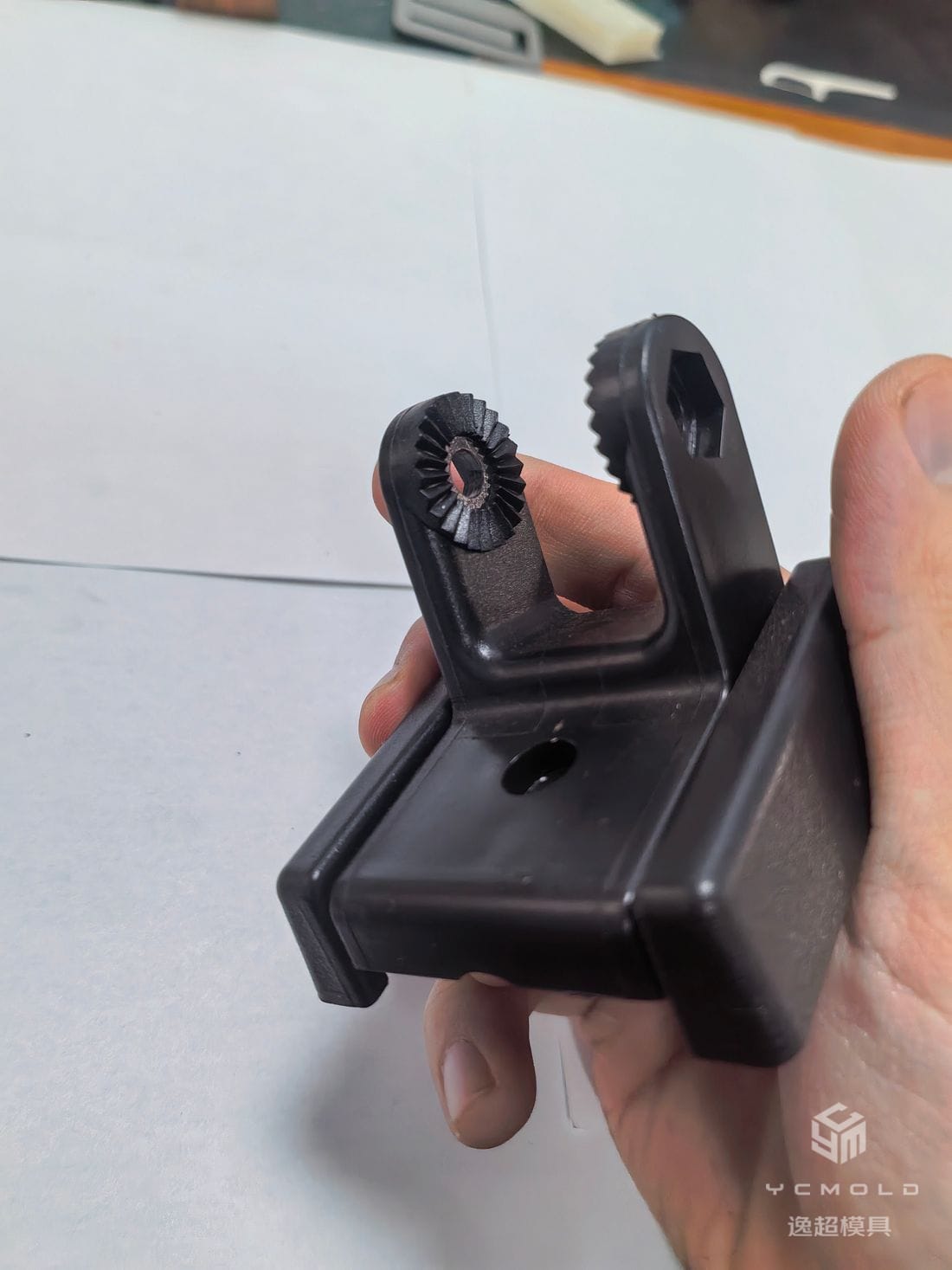
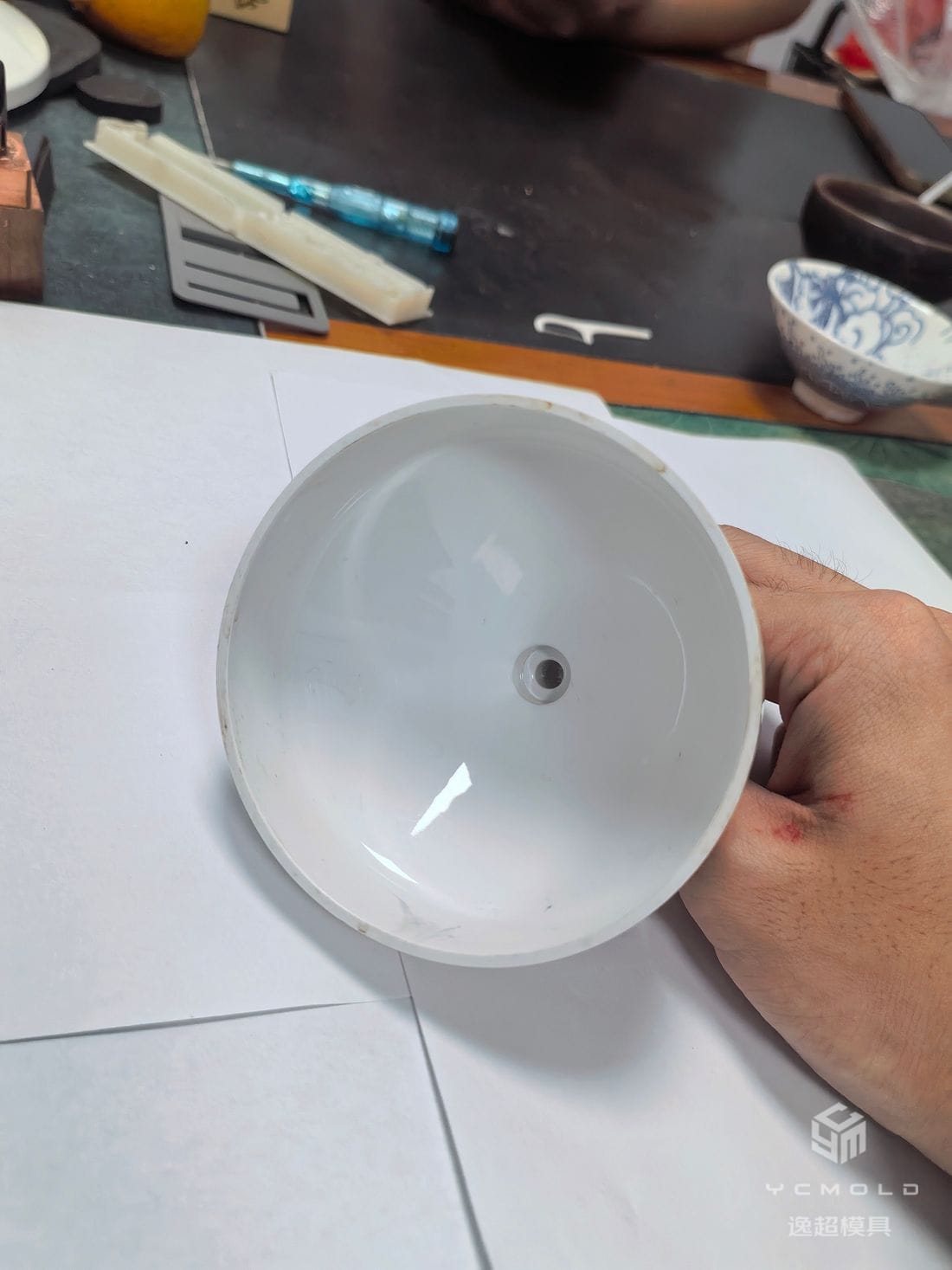
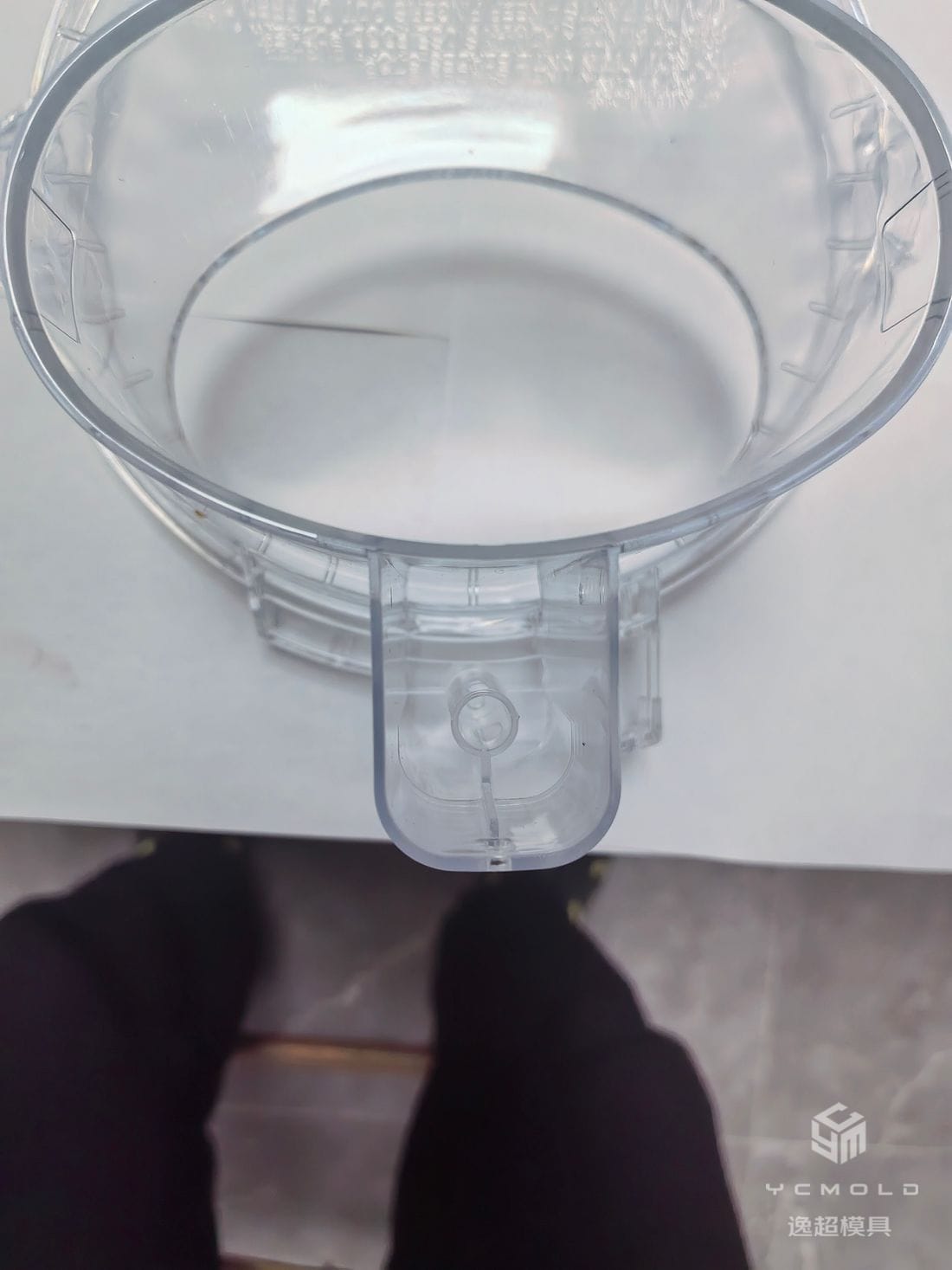
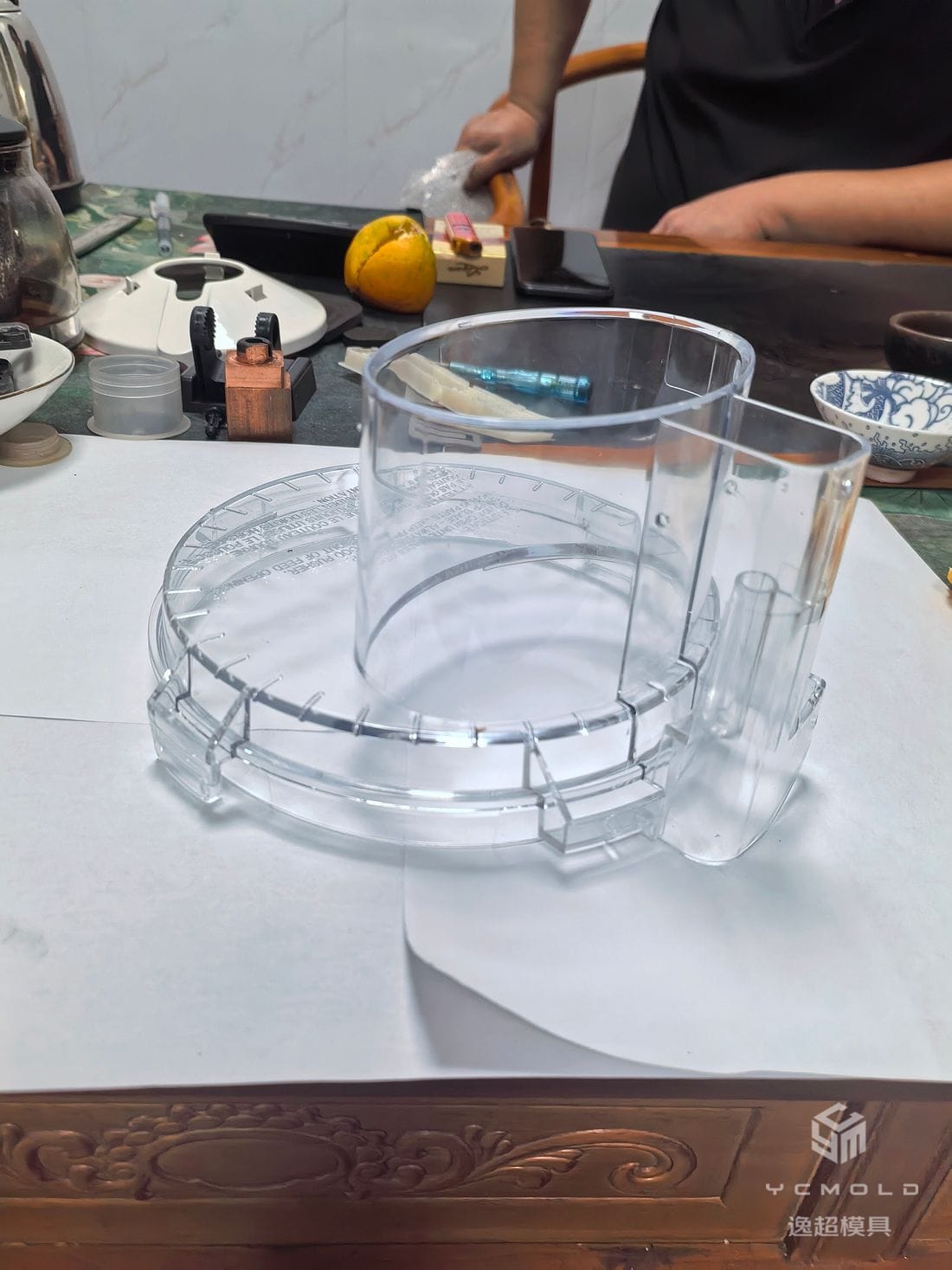
Part types we actually run
Rear covers and back panels
Usually carry port cut-outs and cable channels — hole edges need a chamfer or they crack from the corner
Top panels and control-box lids
Large visible surfaces where etch uniformity and ejector placement are what get inspected
Terminal covers and wiring-box lids
The spigot has to seal and the latch has to open by hand
Handle housings and grips
Load-bearing — fillets at boss roots, with a soft overmould where the hand goes
Inner tubs, bowls and drip trays
Deep draws need generous draft and a big radius at the bottom corner
Clear lids, windows and display covers
PC clarity work — drying, mould temperature, gate position and polish grade decide the outcome
Mounting brackets and internal frames
Often glass-filled, so watch the anisotropic shrinkage the fibres cause
Small precision parts and clips
Small parts, tight tooling — little room for sliders and ejectors
Which material, and why
ABS — The workhorse for visible appliance parts — good surface, easy colour, takes etch well, moderate cost
PC-ABS — ABS looks with PC heat and impact resistance — near heat sources or where the housing takes more punishment
PC — Clear lids and windows with high light transmission; the difficulty is drying and stress-mark control
PP — Internal parts, drip trays and chemical exposure — cheap and resistant to stress cracking
PA(尼龙) — Internal brackets and loaded parts, with glass fill available to raise stiffness
Lucas — Lucas@ycmold.top · WhatsApp +86 183 6966 7875 · No.363 Shengli West Street, Weicheng District, Weifang, Shandong, China